
Best Blenders for Green Smoothies: Jar, Power and Programs on Verified Specs
As an Amazon Associate, The Counter Lab earns from qualifying purchases. We don’t do hands-on testing and we don’t accept free units. Everything below is compared on manufacturer spec sheets and prices we read ourselves — each price is stamped with the store and date we read it, because prices move and the number at checkout is the one that counts.
A green smoothie is the hardest daily blend a home blender faces. A protein shake with a banana is a warm-up; a handful of kale, a cup of frozen mango, and a scoop of chia is a real load — fibrous greens that resist blending, frozen fruit that stalls blades, and a mix that gets thick fast. Brands market “smoothie programs” and peak-horsepower numbers at this job, but none of that tells you what actually matters. Here is what to read on a spec sheet for green smoothies, four verified models compared on it, and per-case verdicts.
What a green smoothie actually demands from a blender
Jar volume, read as blending volume — not the brim. Fresh greens are almost all air. Four packed handfuls of spinach can fill a 48 oz jar before they collapse to a cup of liquid. The number that decides whether your batch fits is the volume the machine is rated to actually blend, and brands don’t all print it the same way: Blendtec prints both the jar size and the blending volume (90 oz jar, 36 oz blending) while most brands print only the jar. When only the jar is published, read it as the ceiling and assume less.
Sustained full-speed blending, not a peak number. Pulverizing fibrous greens takes a blade at full speed for a real length of time, not a momentary stall-load surge. That is why our blender watts vs horsepower explainer matters here more than anywhere: “peak HP” is a momentary claim with no cross-brand test behind it, and watts is an input draw, not a blending score. Read published power as a rough draw rating — then weight the jar, the programs, and the warranty instead.
A program that finishes the job. A smoothie preset is a ramp-and-stop cycle the brand designed for exactly this load: it accelerates to full speed, holds it, and stops — no standing there guessing. A fully manual machine (like the Vitamix E310) gives you complete control but makes you drive every second of the blend. Neither is wrong; they just ask different things of your morning.
Warranty as the backstop. A green smoothie a day is 365 hard cycles a year. The warranty term is the one published number that tells you how long the brand expects the motor to survive that life — and it separates this field more sharply than any power number.
The four models we’re comparing
These four span the real buying options: the two premium high-performance machines with published smoothie programs and manual philosophies, the value full-size pitcher, and the single-serve personal blender for the one-smoothie-a-day household.
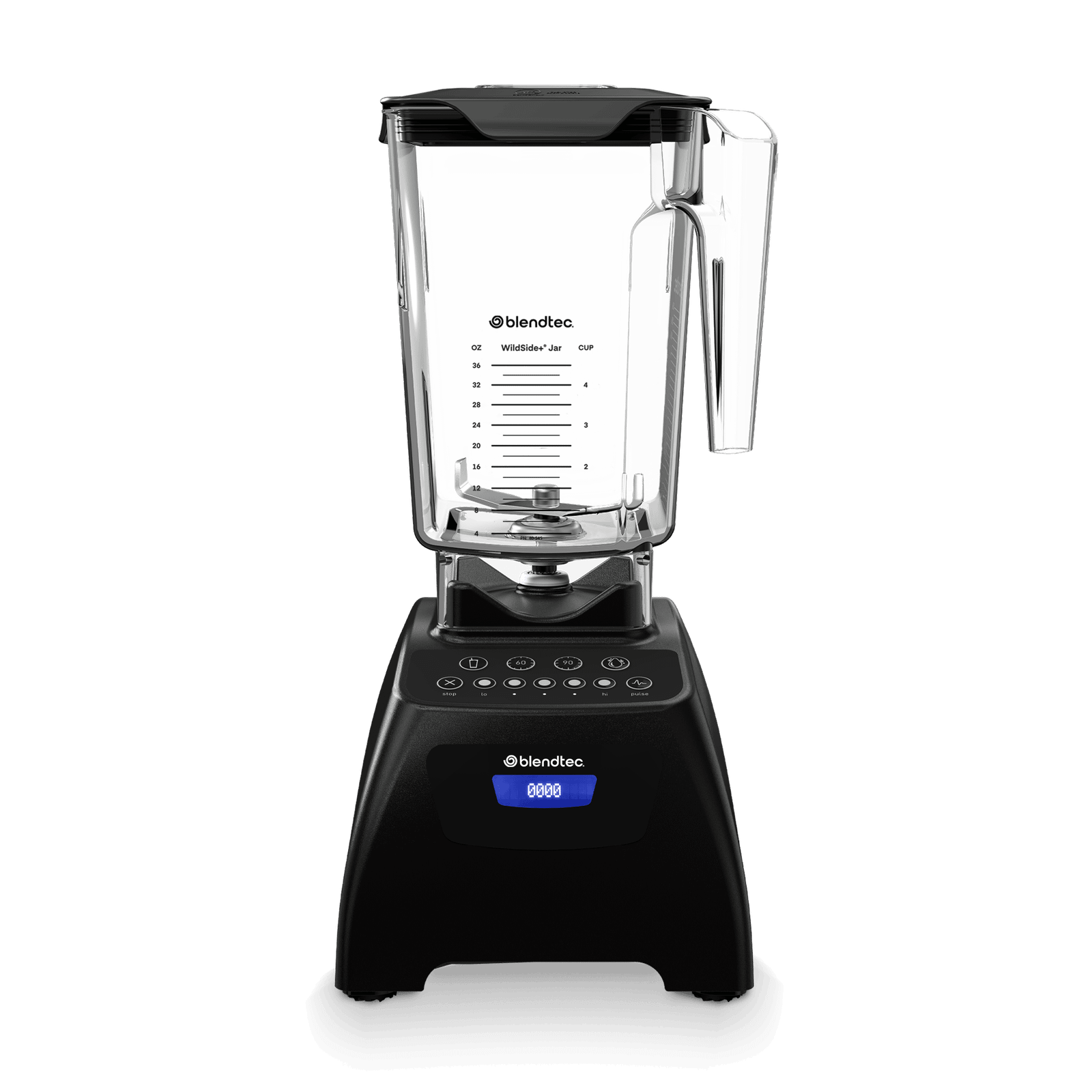
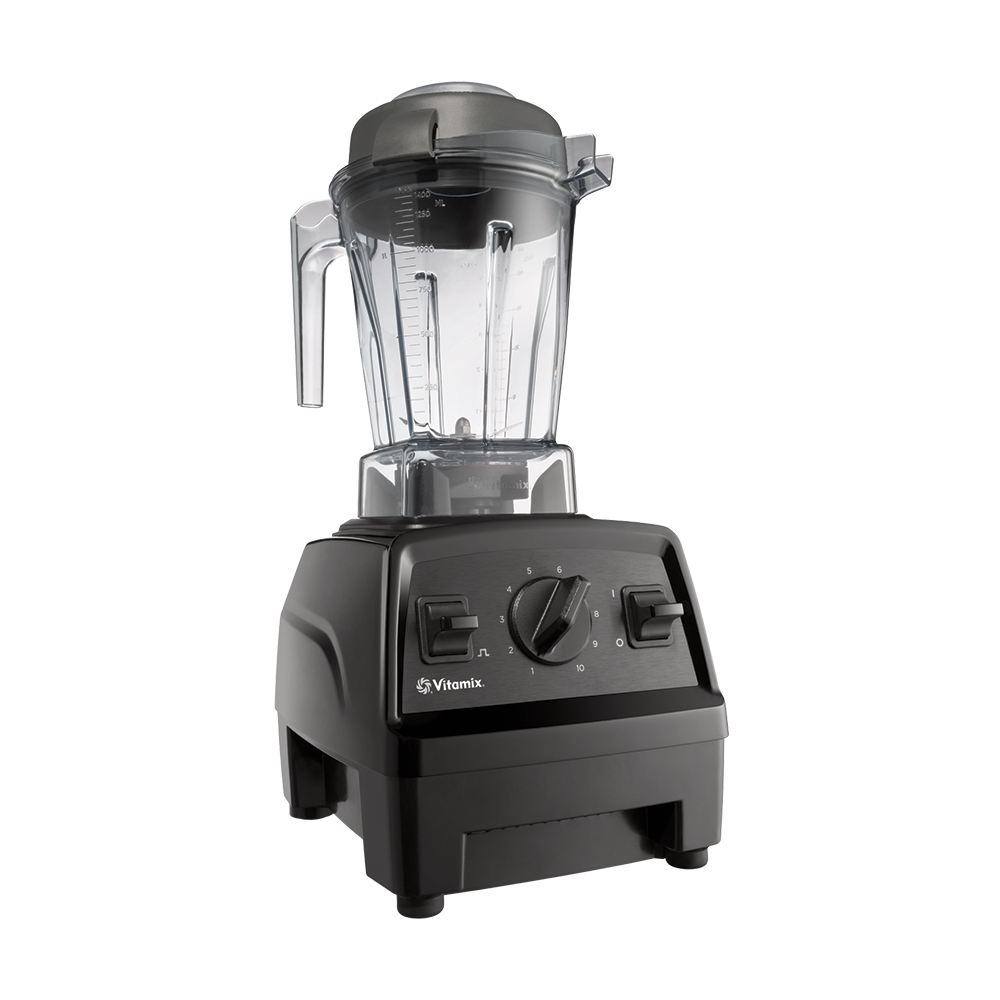
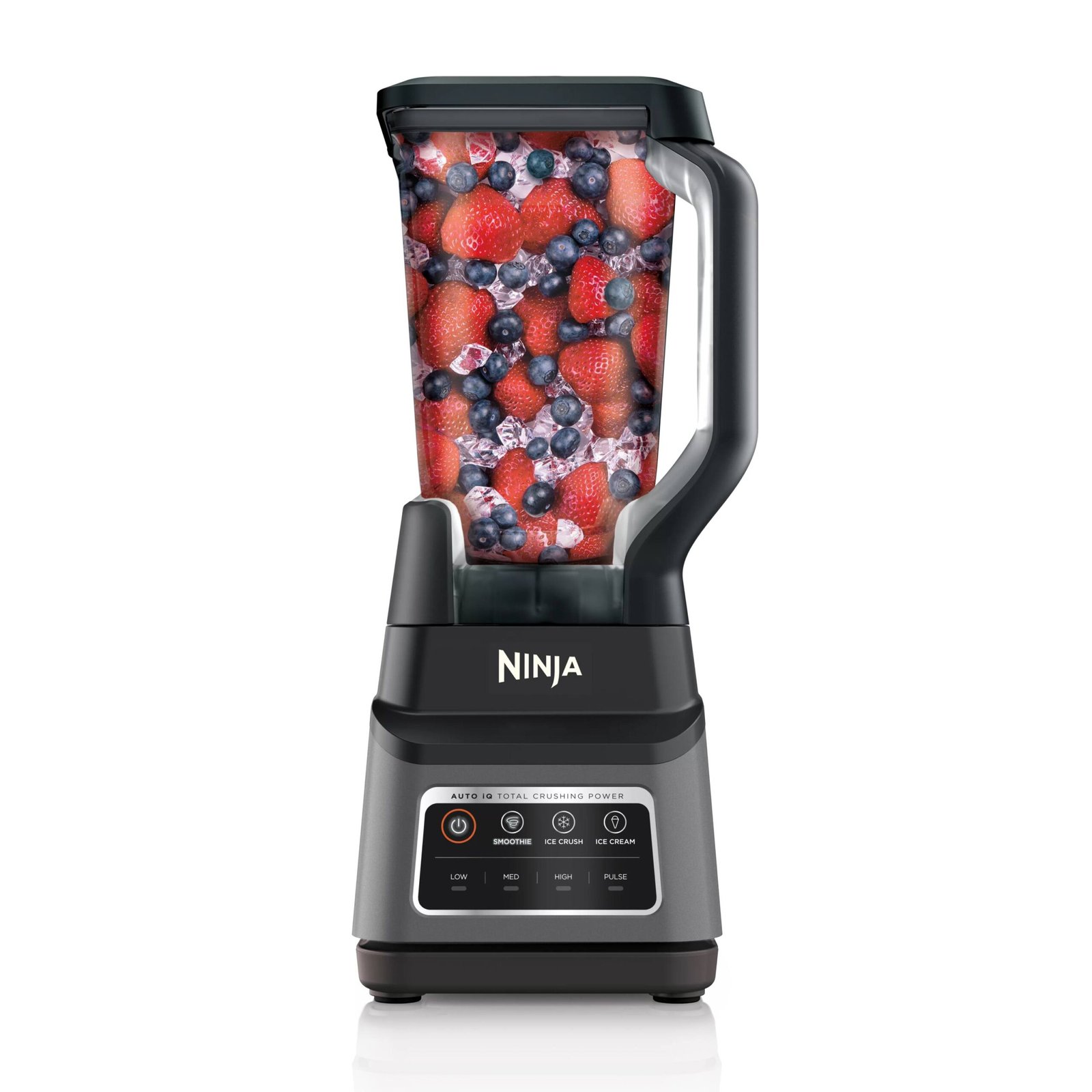
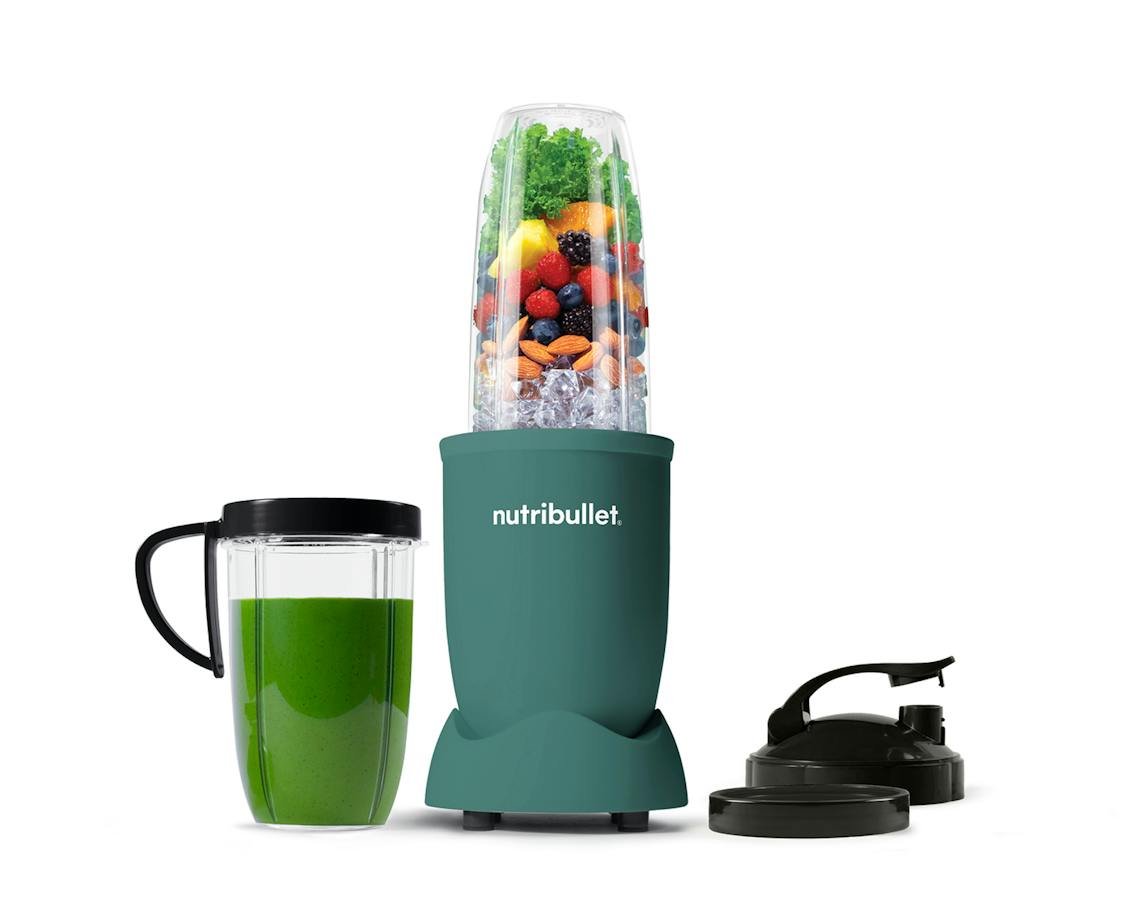
| Spec | Blendtec Classic 575 | Vitamix Explorian E310 (VM0197) | Ninja Professional Plus (BN701) | nutribullet Pro 900 |
|---|---|---|---|---|
| Price (store + read date) | $399.95 at Blendtec.com (official), read Oct 7, 2026 | $349.95 at Crate & Barrel, read Oct 7, 2026 — listed out of stock at read; check availability | $89.99 (list $119.99) at Target, read Oct 7, 2026 | $109.99 at nutribullet.com (official), read Oct 7, 2026 |
| Motor, as published | 1,560 W | 2 Peak HP; US wattage not published | 1,200 W (1,400 W peak) | 900 W |
| Jar, as published | WildSide+ jar — 90 oz jar volume / 36 oz blending volume | 48 oz Tritan, BPA-free | 72 oz jar (64 oz max liquid) | Not published on the page we read |
| Control | Smoothie, Clean, 60-sec, 90-sec preprogrammed cycles; 5 incremental speeds + pulse | 10 variable speeds + pulse; no preprogrammed cycles | Auto-iQ preset programs | Single-serve blend cycle |
| Warranty, as published | 2-year parts / 2-year labor (residential) | 5-year full | 1-year limited | Not published on the page we read |
A reading note: “not published” means exactly that — the page we opened didn’t state the figure, so we leave it blank rather than borrow a number from a review site. Neither Blendtec nor Vitamix publishes a decibel figure for these models, so noise stays blank rather than guessed.
Per-case verdicts
- One-button green smoothie for the whole pitcher: Blendtec Classic 575. The Smoothie preset is a real walk-away cycle designed for this exact load, and the self-clean cycle is the most useful thing on this table once you’re done — add water and soap, press Clean, no blade assembly to scrub.
- Daily greens for a decade: Vitamix E310. The 5-year full warranty is the longest coverage here by three years, and it’s the published number that backs a motor through 365 fibrous blends a year. The price to accept: no presets at all — you ramp and stop by hand, every time.
- Green smoothies for the family on a budget: Ninja Professional Plus BN701. A 72 oz jar at $89.99 is the most blending room per dollar in our verified data, and Auto-iQ is a genuine preset system at a price where most blenders are one-button only. The honest trade: the 1-year limited warranty is the shortest coverage class here, and the jar’s published max liquid is 64 oz — a full greens batch is two pours, not one giant one.
- One daily green smoothie, live alone: nutribullet Pro 900. You blend into the cup you drink from and rinse it in seconds — for one person’s greens, a 72 oz pitcher is dishwasher real estate you don’t need. The honest trade: 900 W is the lowest published draw on this table, and at fibrous greens plus frozen fruit it will take longer cycles and more babysitting than the premium machines. Cup sizes weren’t published on the page we read, so we don’t rank it on volume.
Where each one falls short — honestly
- Blendtec 575: the 90 oz jar number looks huge until you read the 36 oz blending volume — the practical load is smaller than the jar suggests, and the 2-year warranty is the shortest of the premium pair on a $399.95 machine.
- Vitamix E310: the honest strength of the manual side is control, not programs — ten speeds and pulse reward anyone who wants to texture a blend, but there is no Smoothie button and the last read had it out of stock at $349.95, so recheck before committing.
- Ninja BN701: cheapest per ounce of jar in the verified data, but one year of warranty coverage is a real gap on a machine you plan to run daily for years.
- nutribullet Pro 900: the cheapest way into daily greens at $109.99 and the easiest cleanup, but it’s a single-serve machine — two smoothies means two cycles, and greens for three or more people means buying a pitcher.
How we compared
Every figure above is exactly as the brand or retailer published it on a page we opened ourselves: Blendtec’s official product and warranty pages, Crate & Barrel’s E310 listing, Target’s Ninja pages, and nutribullet.com’s official shop pages — all read Oct 7, 2026. Watts and peak HP are stored exactly as published and never converted into each other. Where a page didn’t publish a figure, the table says “not published” instead of borrowing from Amazon spec tables or other reviews. This post carries no buy buttons because we only link Amazon for models whose ASIN we’ve confirmed against the exact model number, and no model-confirmed ASINs exist yet for these four blenders — prices are shown with the store and date read instead.
Next step: see where these four land in our best blenders guide, browse every spec-checked model on the blenders hub, or read why the box’s wattage and horsepower numbers don’t compare in our blender watts vs horsepower explainer.