
Quarts, Liters, and Cups: A Capacity Decoder for Small Appliances
As an Amazon Associate, The Counter Lab earns from qualifying purchases. We don’t do hands-on testing and we don’t accept free units. Everything below is compared on manufacturer pages we opened ourselves, capacity figures included. When a brand didn’t publish a number on the pages we opened, we say so, and we never borrow one from a review site or a marketplace spec table.
An air fryer says 6 quarts. A blender says 72 ounces. A rice cooker says 10 cups, and a toaster oven says nothing about volume at all: just “fits 9 slices of toast.” Four small appliances, four different measuring systems, and every one of them answers a slightly different question. This post decodes the units, shows what each category’s capacity number actually measures on verified specs, and gives the one line that converts between them.
The four units in one table
Every conversion below is a standard measurement equivalent, not a spec; the multiplications are ours:
| Unit | Equals |
|---|---|
| 1 US quart | 32 fl oz / 4 US cups / 946 mL (0.946 L) |
| 1 liter | 33.8 fl oz / 1.057 US qt / 4.23 US cups |
| 1 US cup | 8 fl oz / 236.6 mL |
| 1 fluid ounce | 29.6 mL / 1/8 US cup |
The line that settles most comparisons: multiply liters by 1.057 to get quarts, or multiply quarts by 0.946 to get liters. Everything that follows is how each appliance category uses, and sometimes misuses, these units.
Air fryers: quarts, except when they say liters
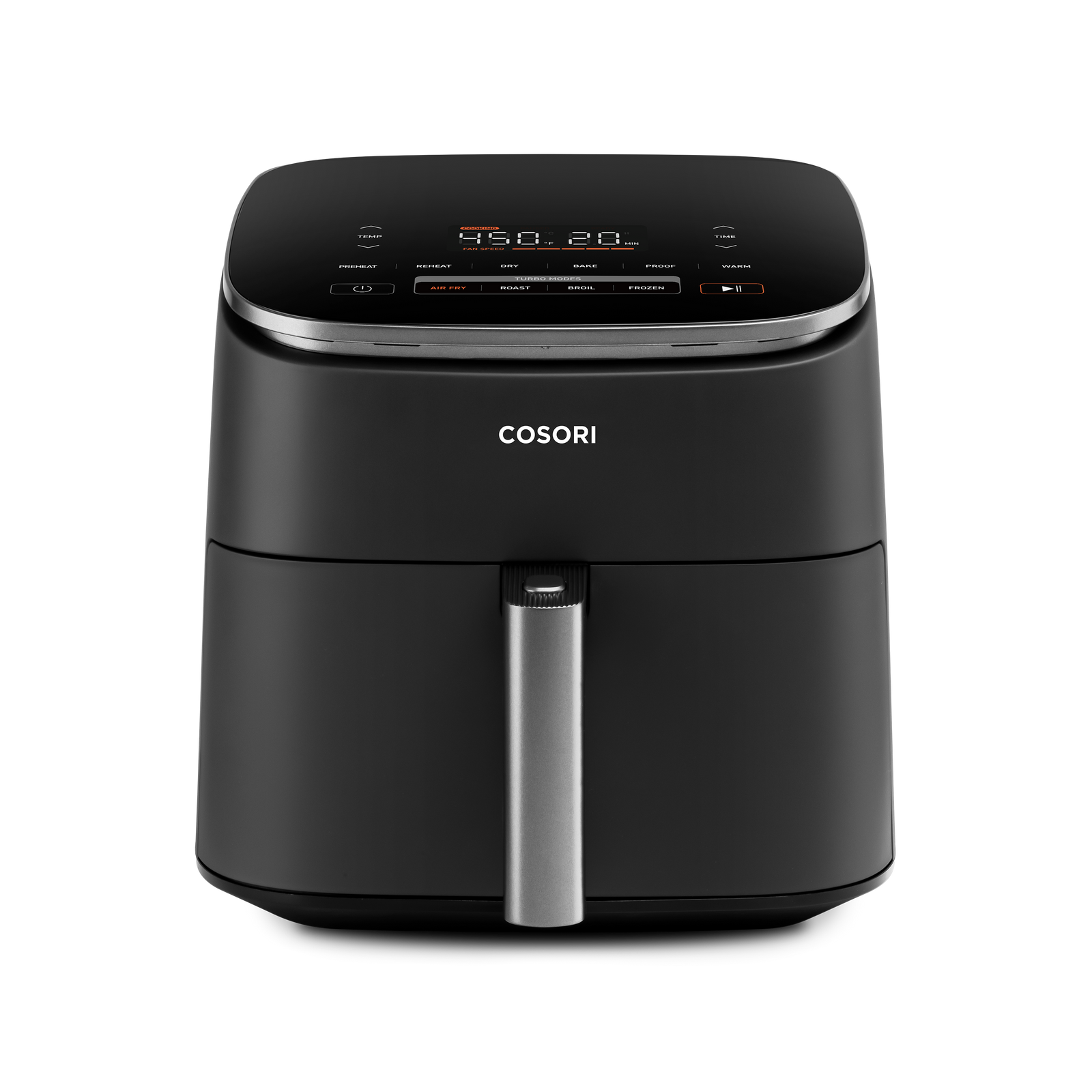
Air fryers in the US market are sized in quarts, and the number refers to the basket volume: what fits inside the cooking drawer, not the machine’s footprint. A 6-quart single basket and a model with two 4.25-quart baskets (Cuisinart’s ADZ-085, in our verified catalog) describe the same total volume arranged in two zones. Same quarts, different cooking.
Philips is the exception in our verified data. The 2000 Series page lists 4.2 L and, on the same page, calls the pan 4.4 quarts. The math checks (4.2 × 1.057 = 4.44), so the two figures are one number in two units. Hamilton Beach prints both on the same listing: 3.7 qt / 3.5 L (3.7 × 0.946 = 3.50, so the math checks there too). When a page prints both, they always describe the same basket.
Dual-basket totals add the two baskets together. Ninja’s DoubleStack XL SL401 is listed at 10 qt total for two stacked baskets. Read the total as capacity across two independent zones, not one big space. Our dual-basket comparison walks through the per-basket reality behind the totals.
Blenders: ounces, and the number that matters is rarely the biggest one
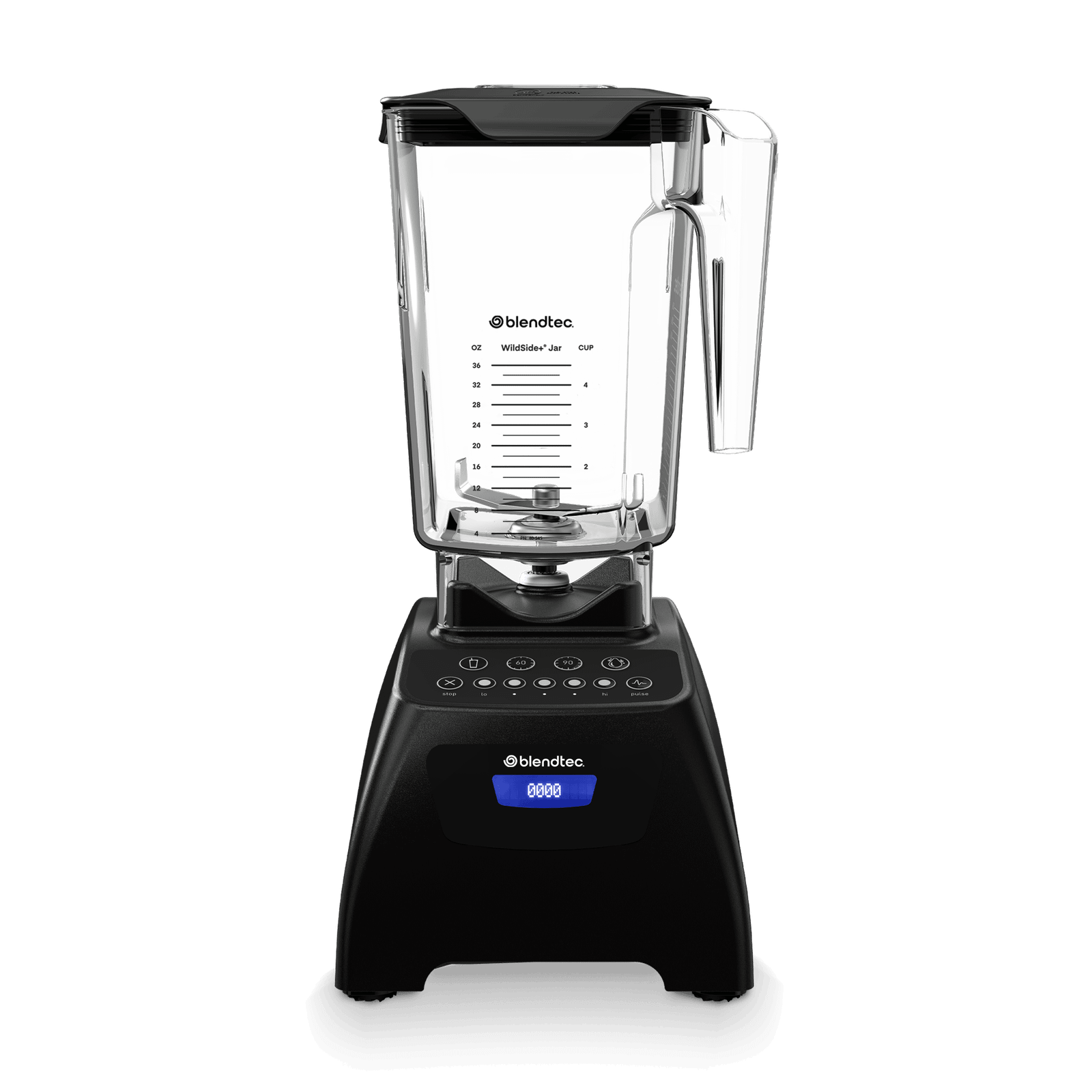
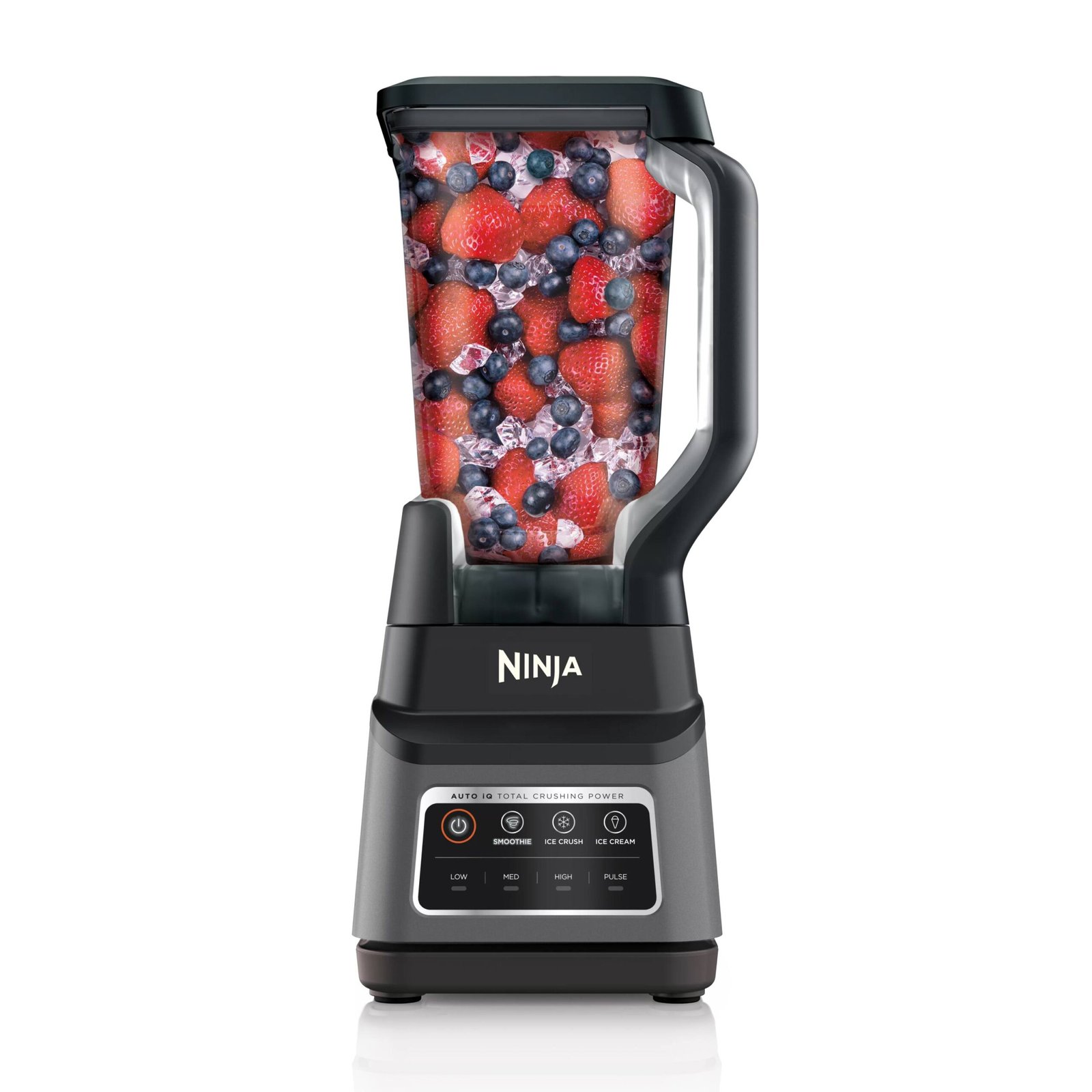
Blender jars are sized in fluid ounces. Since 8 fl oz equals 1 US cup, a 72 oz jar holds 9 US cups to the brim. The catch is that “jar size” is the brim, and brands that publish a second, smaller number are telling you what you can actually blend. Blendtec publishes both for the WildSide+ jar: 90 oz jar volume, 36 oz blending volume. Ninja publishes 72 oz jar with a 64 oz max-liquid fill for the Professional Plus BN701. The smaller published number is the practical one: it is the rated working volume, and the jar number is the ceiling.
Vitamix’s Explorian E310 lists a 48 oz jar (6 US cups) with no blending volume published on the page we read. Read the jar number as the total and assume the working batch is smaller. The nutribullet Pro 900 blends into the cup you drink from, and cup sizes were not published on the page we read, so we don’t rank it on volume. The pattern holds across the catalog: when a brand prints one number, it is the jar’s total; when it prints two, the smaller one is the batch that fits.
Rice cookers: two different cups
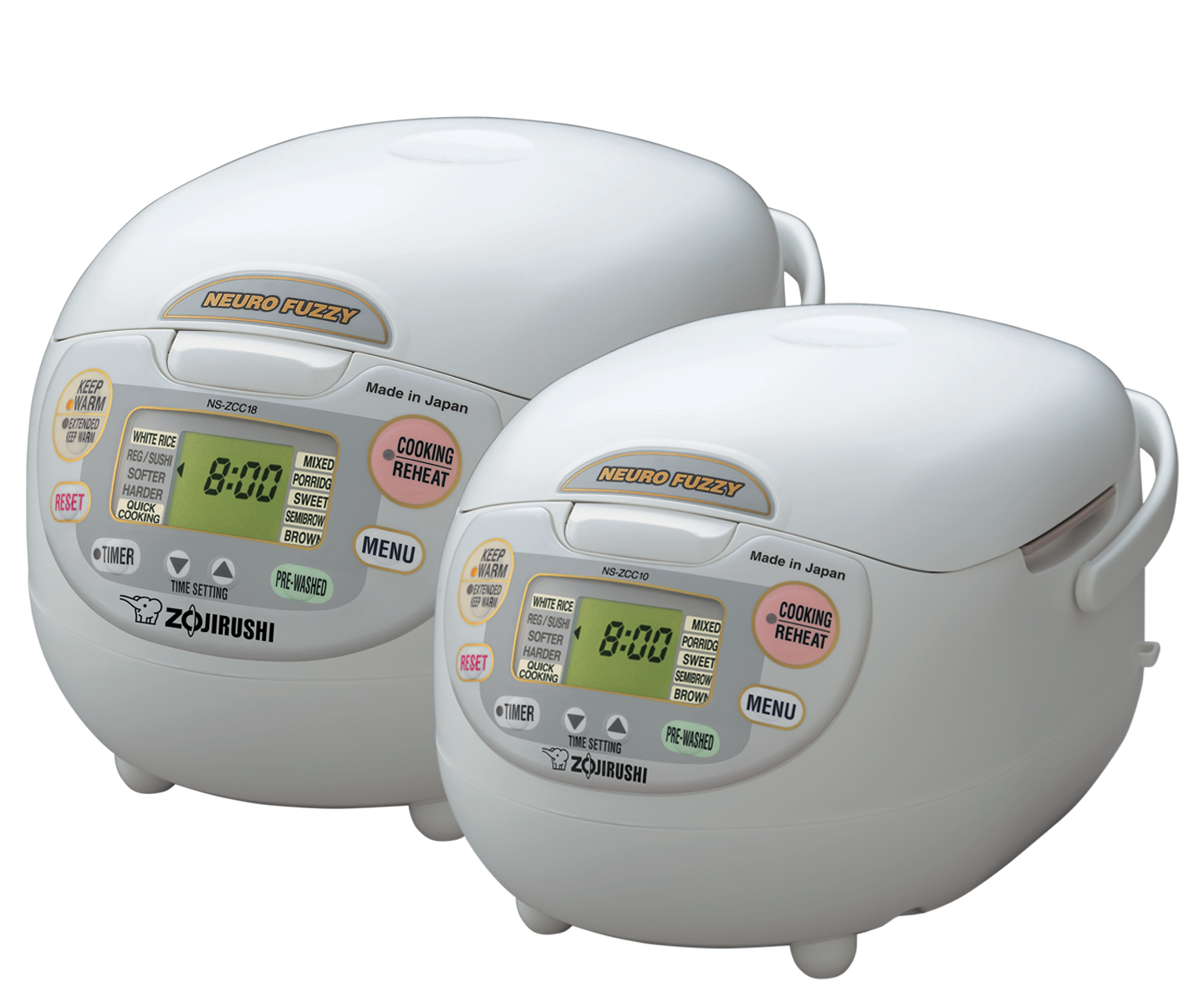
This is the trap the other categories don’t have. Rice cooker “cups” come in two incompatible versions, and the box rarely says which one you are buying.
The first cup belongs to Zojirushi and Cuckoo: an uncooked-rice cup of about 180 mL, measured on the page as raw short-grain white rice. Zojirushi’s NS-RPC10 is listed as 5.5 cups / 1.0 L, and the math checks (5.5 × 180 mL = 990 mL). A 10-cup Zojirushi is about 1.8 liters of uncooked rice, a very large cooker, and its “cups” are each 3/4 of a US cup.
The second cup belongs to Aroma: a cooked-rice cup of 8 US fluid ounces. Aroma prints the pair on every product page, and the pairs are perfectly consistent: the ARC-5004U is 8 cups (cooked) / 2 qt, the ARC-763C is 6 cups (cooked) / 1.5 qt, the ARC-302 is 4 cups (cooked) / 1 qt. Two quarts are 64 fluid ounces, exactly 8 US cups, so one Aroma cooked cup is one standard US cup.
The bridge between them: cooked rice takes up roughly twice the volume of the uncooked rice it came from, and our rice-cooker cups post verified the ~2x expansion on a Cuckoo model that published both figures. So an Aroma “8-cup cooked” cooker holds about 4 US cups of raw rice, which in Zojirushi’s numbering is roughly 5.5 cups (4 × 236.6 mL ÷ 180 mL, our conversion). Same practical size, different numbering. And the golden rule from the cups post stands: cook with the plastic cup that came in the box, because that cup matches the cooker’s water lines whichever cup the brand means.
Toaster ovens: no volume at all
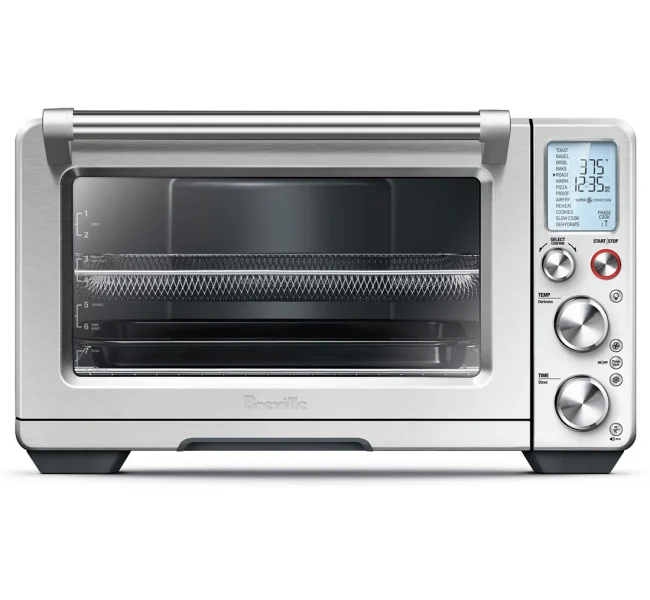
Toaster ovens skip volume entirely. Brands size them with food claims instead: Breville’s BOV900 and Ninja’s DT551 both say “fits 9 slices of toast.” When we decoded both brands’ element tech and capacity claims, we found no shared definition of a toast slice, and the two 9-slice claims are each brand’s own measurement, and a 13-inch pizza claim is the same kind of statement: a food-shaped ruler, not a volume.
Read interior dimensions instead. When a brand publishes interior measurements or a rack position count, those are the numbers that decide whether your actual pan fits. Slice counts are brand-defined, and two brands can both say 9 slices and mean different interiors. Our counter-measure guide shows how to read the dims against your counter and cabinets.
Verdicts by case
- If you are comparing air fryers across brands, convert liters to quarts (times 1.057) or trust the brand’s own dual label when it prints one, as Philips and Hamilton Beach both do. Compare single-basket quarts to single-basket quarts, and read dual-basket totals as two zones.
- If you are sizing a blender for daily smoothies, read the blending volume or the max-liquid figure, not the jar size. The Blendtec’s 36 oz blending volume and the Ninja’s 64 oz max liquid are the numbers that decide whether your batch fits.
- If you are matching a rice cooker to your household, learn which cup the brand means before you compare. Zojirushi and Cuckoo cups are about 180 mL of raw rice; Aroma cups are 8-oz cups of cooked rice. An Aroma 8-cup cooker and a Zojirushi 5.5-cup cooker are close to the same practical size.
- If you are checking whether a toaster oven fits your pans, ignore the slice count and read interior dimensions or the pizza-diameter claim against your actual pan.
How we compared
Every capacity example comes from manufacturer pages we opened and recorded on Oct 7, 2026: Philips’ 2000 Series (4.2 L, with 4.4 quarts on the same page, us.home-appliances.philips), Hamilton Beach (3.7 qt / 3.5 L, as listed on Target), Zojirushi (5.5 cups / 1.0 L on the NS-RPC10 page, with the ~180 mL cup footnote on store.zojirushi.com), Aroma’s cooked-cup and quart pairs (aromaco.com), Blendtec’s 90 oz jar / 36 oz blending volume (blendtec.com), Ninja BN701’s 72 oz jar / 64 oz max liquid (sharkninja.com), and the 9-slice claims decoded in our Breville-vs-Ninja and counter-measure posts. Unit conversions are standard measurement equivalents; the multiplications are ours and labeled. We don’t do hands-on testing. No Amazon links appear in this post: capacity is a labeling question, not a buying pick, and no model-confirmed ASINs attach to a decoder.
Next step: for the full rice-cooker cup math, read rice cooker cups: uncooked vs cooked; for air fryer basket sizes by household, see air fryer sizes explained; the ranked picks live in our best air fryers guide and the green smoothies blender comparison.