
Why We Date Every Price on This Site
As an Amazon Associate, The Counter Lab earns from qualifying purchases. We don’t do hands-on testing and we don’t accept free units. Every figure below is a number a brand or retailer published on a page we opened ourselves. When a page didn’t publish a figure, the table says so, and we never borrow a claim from a review site or a marketplace spec table.
Every price on this site travels with two companions: the retailer that showed it, and the date we read it. “$89.99 at Cosori.com, read Oct 10, 2026” is the full unit. The price alone is a rumor; the three together are a record. This post explains why the three travel together, and what to do when the price you see at checkout disagrees with the one in our tables.
What each part of the stamp tells you
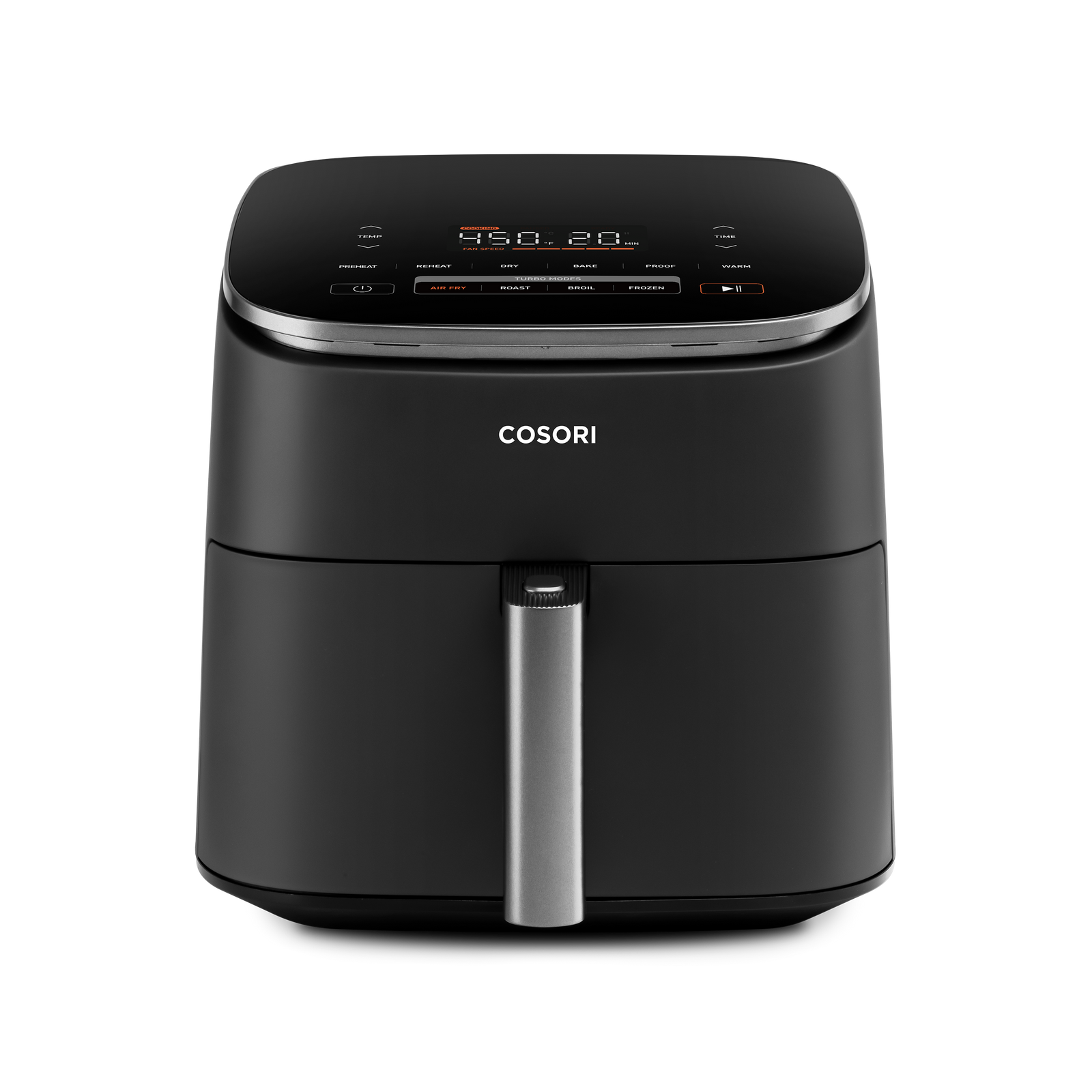
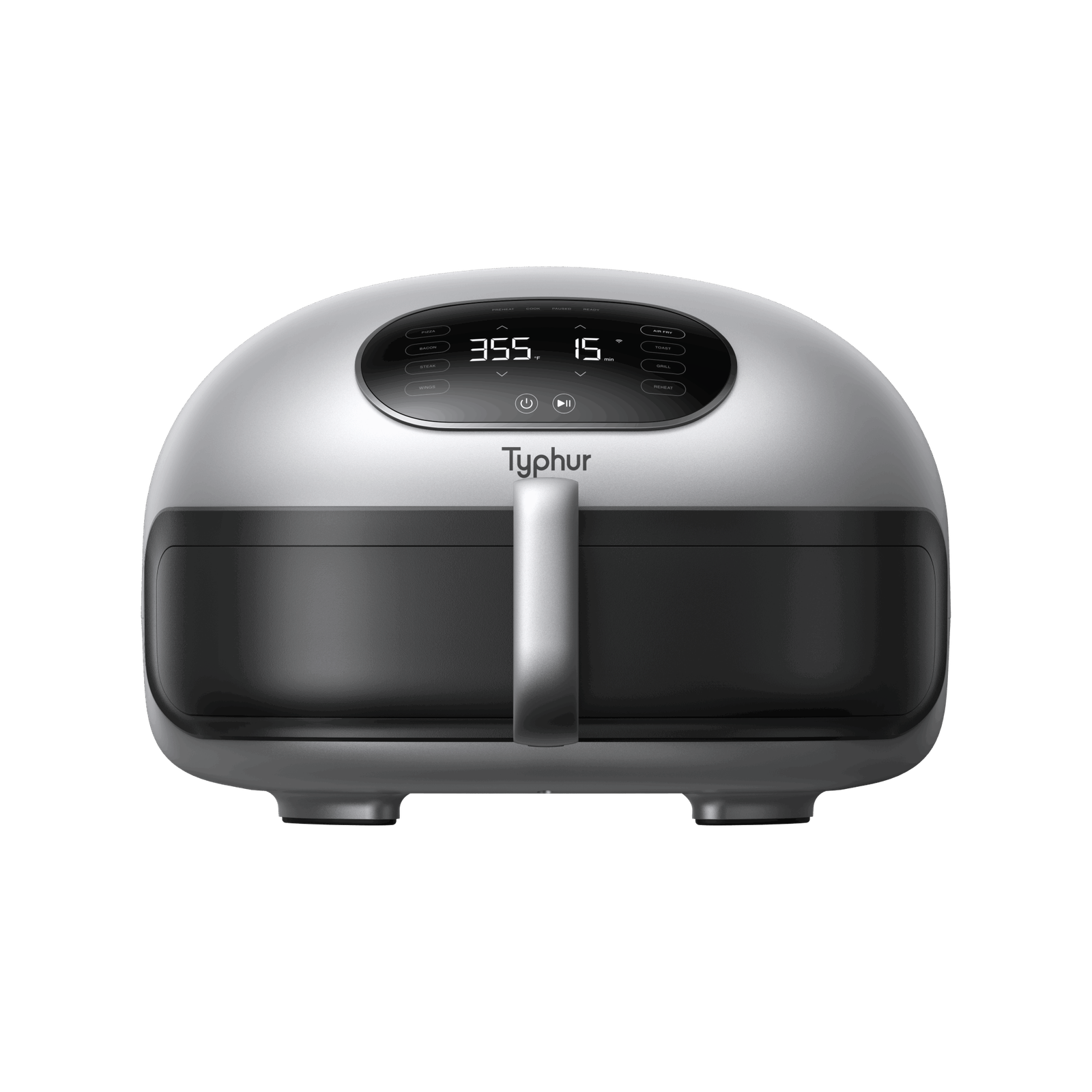
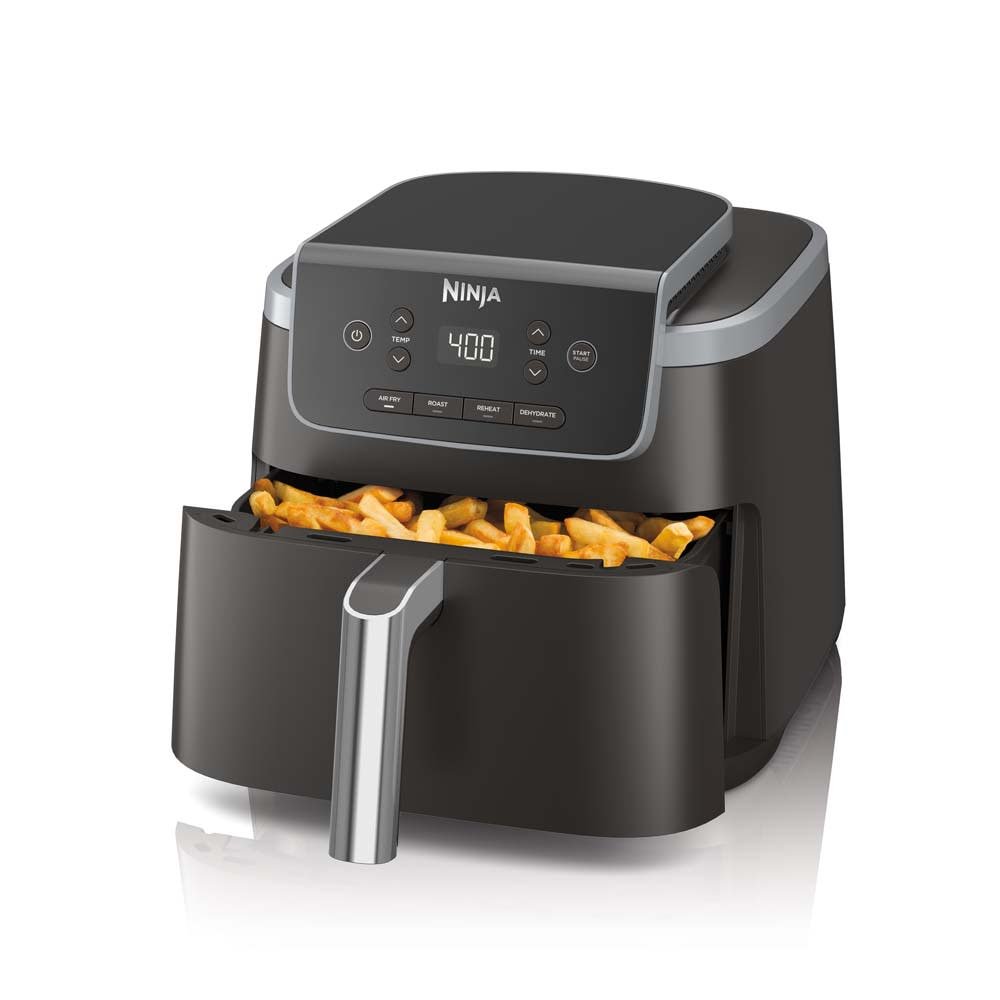

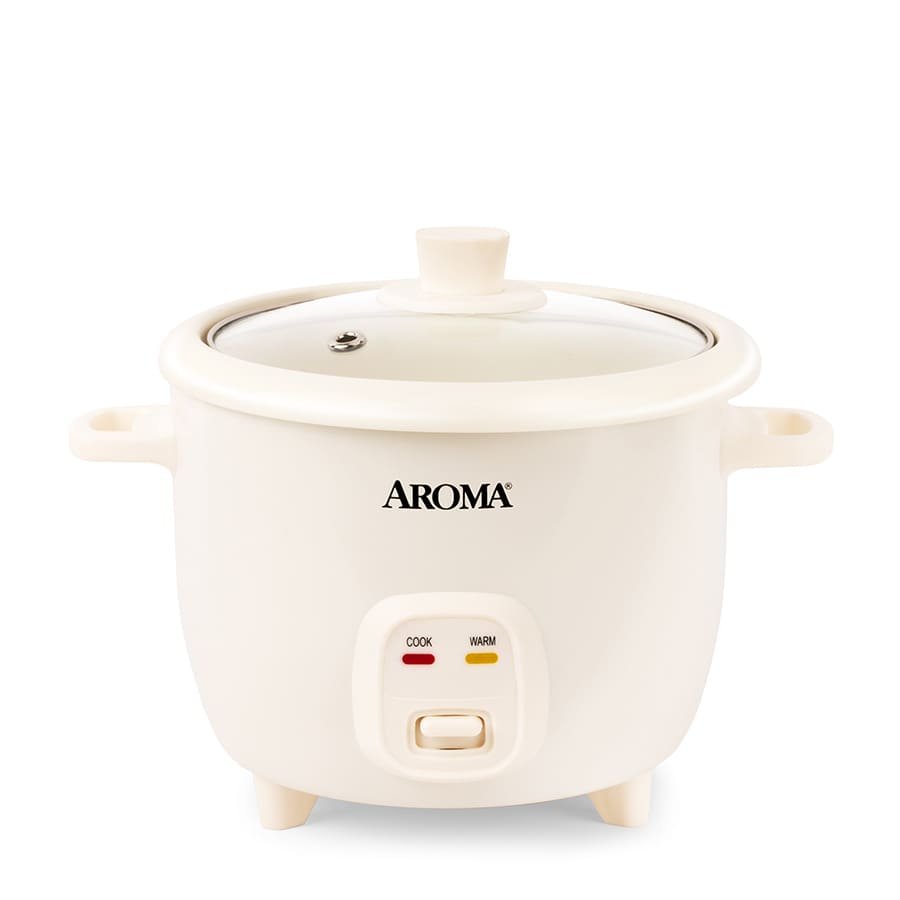
The amount is the figure the page showed on the day we opened it. When the brand also published its own list price that day, we print it in parentheses, as in “$99.99 (list $129.99)”. The retailer names the source: a Target price is a Target price, not a claim about every store, and a brand-store price can differ from a specialty shop’s on the same day. The read date is the calendar day the page was opened in our browser. A price read on Oct 7 is a claim about Oct 7. It says nothing about tomorrow.
Two things the stamp never includes: the sale’s end date, because the pages we read almost never publish one, and any figure we did not see ourselves. No price on this site is copied from a search snippet, a price-aggregator card, or another review site’s table. When our own read is the only read, the table still prints “read Oct 10, 2026” instead of pretending the figure is fresh.
Prices move, and we can prove it
On Oct 7, 2026, the Typhur Dome 2 read $299.95 on Typhur.com. Three days later, on Oct 10, the same retailer’s page read $390.00: a $90.05 move, about 30% higher, on the same product, on the same page, 72 hours apart. On Oct 13, our re-read found $399.99, about 33% over the Oct 7 sale price. The sale that held it at $299.95 had ended, and the price kept climbing toward list.
The Cosori TurboBlaze moved the other way and back. It read $89.99 on Cosori.com on Oct 7 and again on Oct 10, unchanged. On Oct 13, the re-read showed $119.99: the sale had expired, and the price sat $30.00 above the Oct 10 read, about 33% higher, three days later.
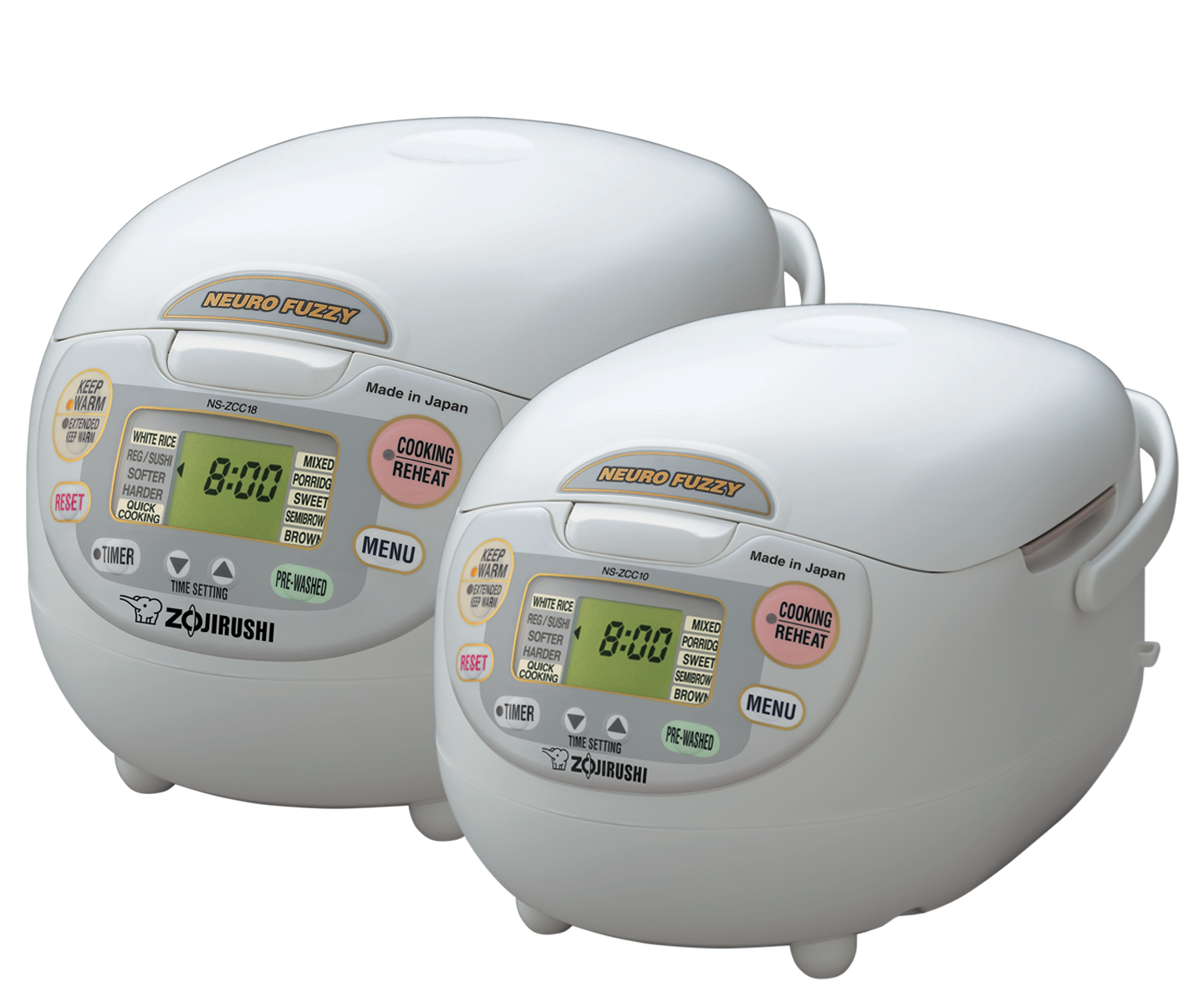
Some prices sit still. The Zojirushi NS-ZCC10 read $279.99 on the Zojirushi Online Store on Oct 7 and again on Oct 13, unchanged. Stillness is also a dated claim. It says the figure held between the two reads, and it is no promise about next week.
| Model | The read | Retailer + read dates |
|---|---|---|
| Typhur Dome 2 (AF05) | $399.99 (was $299.95 on Oct 7) | Typhur.com, read Oct 7, Oct 10, and Oct 13, 2026 |
| Cosori TurboBlaze (CAF-DC601) | $119.99 (was $89.99 on Oct 10) | Cosori.com, read Oct 7, Oct 10, and Oct 13, 2026 |
| Ninja Air Fryer Pro (AF141) | $99.99 (list $129.99) | SharkNinja.com, read Oct 7, 2026 |
| Hurom H400 | $639.00 (list $749.00) | hurom.com, read Oct 10, 2026 |
| Aroma ARC-763C | $30 | aromaco.com, read Oct 7, 2026 |
| Zojirushi NS-ZCC10 | $279.99 | Zojirushi Online Store, read Oct 7 and Oct 13, 2026 |
What a list price does and does not tell you
A list price is the manufacturer’s own reference number: what the brand says the product costs when no sale is running. The Ninja Air Fryer Pro read $99.99 against a $129.99 list on Oct 7, a real discount. The Hurom H400 read $639.00 against a $749.00 list, $110 under, about 15% off the brand’s reference. The list anchors the discount. It does not anchor reality: by Oct 13, the TurboBlaze’s $119.99 was above its Oct 7 sale price and still below list, and the AF141 had climbed back to the full $129.99 list and gone out of stock on SharkNinja.com. Read the list as context. Read the date as the clock.
Three cases, and what to do with each
Your checkout price differs from ours. That is the normal case, not an error. Check the read date first. If the date is recent and the retailer matches, the price moved after our read, which the Typhur and TurboBlaze rows above show happening inside a week. If the retailer differs, the gap is between stores, not between truth and falsehood.
The table says “not published.” That means the brand or retailer page we opened did not show the figure, and we print the gap instead of filling it. The Ninja KT200’s page prints capacity only as “7-cup”, so the table prints “7-cup” and leaves quart math out. The OXO Brew 8716900’s page publishes no wattage, so the wattage cell reads “not published” instead of a guess. A blank cell is our audit trail, and it reads better than a borrowed number.
The read is old. Treat any read older than about two weeks as history, not news. Prices in our catalog re-read sweeps moved inside six days in October: the TurboBlaze, the AF141, and the Dome 2 all left their Oct 7 figures behind before the month was half over. When a read matters to your decision, re-open the retailer’s page and compare. The stamp makes that check possible, which is the point.
The honest limits of a dated price
A dated price says what a page showed on a day we opened it. It does not promise the page shows the same figure today, and it does not cover Amazon prices at all: our reads never include Amazon’s price, because Amazon’s product pages sit behind a bot wall we cannot read honestly. When a brand stops publishing a model, the last honest read stands: the Vitamix E310’s Crate & Barrel page read “no longer available” on Oct 13, so we keep the prior read and label the change rather than substituting a number from a page we could not open. We don’t do hands-on testing and we don’t accept free units, so a dated price never claims the machine is worth it; it only claims what the page showed.
How we read prices
Each read starts on the brand’s own page or a retailer’s product page, opened in our own browser: manufacturer first, retailer second. The figure is transcribed as printed, including the brand’s own list-price parenthetical. Sale end dates stay out because the pages omit them. The catalog-wide re-read sweeps then re-open the reads on a rolling schedule, continuing from where the last sweep stopped, so the oldest stamps get the next check. That is the whole mechanism: open the page, write down the figure and the date, and never fill a gap with a guess.
For the companion post on what we leave blank and why, see why we leave noise (dB) blank. The Typhur move in detail is inside Typhur Dome 2 alternatives, steady-price pairs appear in budget vs premium rice cookers, and the wattages behind these machines get their own decoder at 1,800 W on a kitchen circuit.